

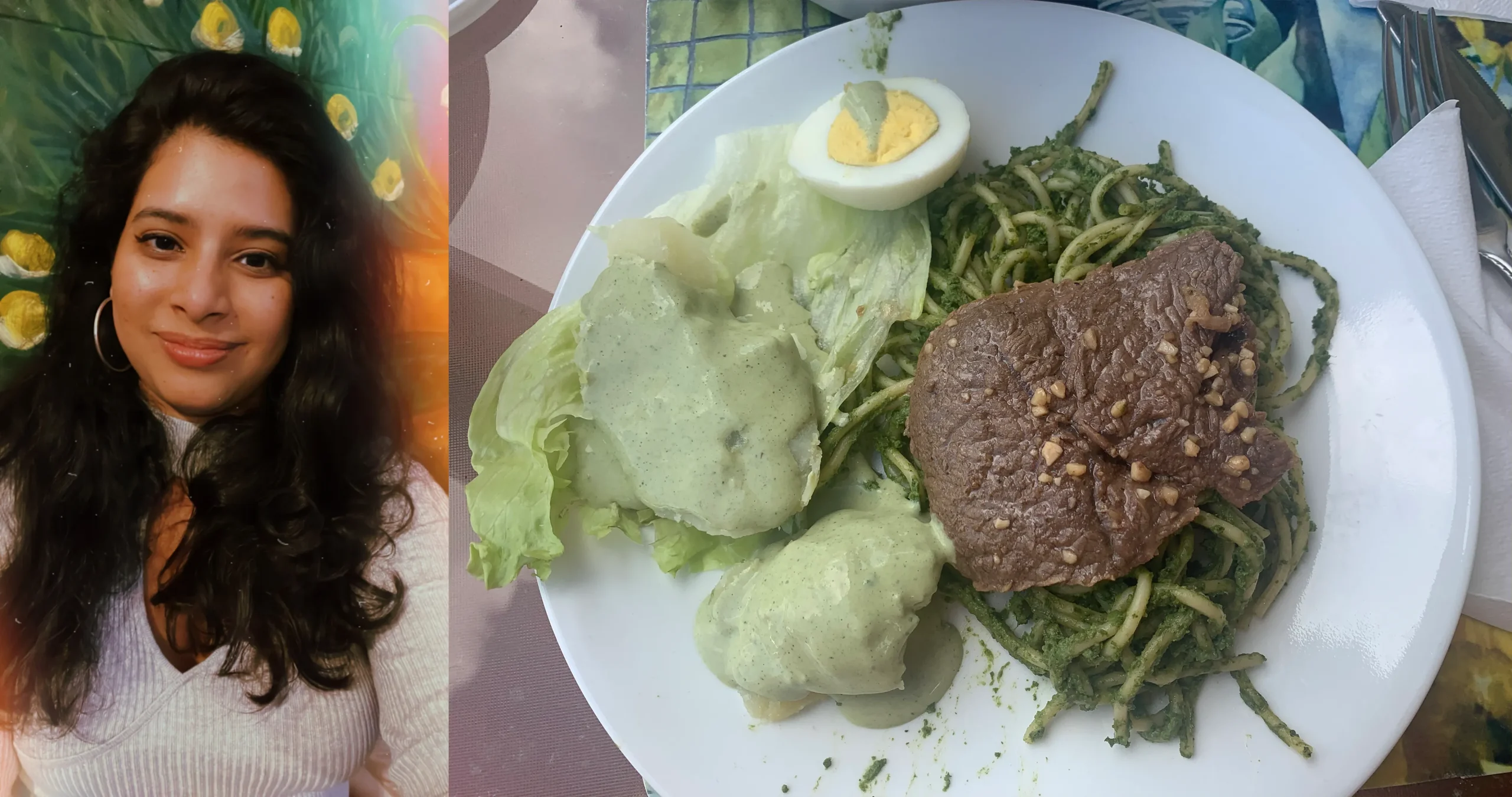
This is part of an ongoing series to highlight members of the AltSalt community. Here we interview Marisol Silva, a Peruvian-American poet and zinester based in New York City whose work explores the liminal space between her two cultures.
Her zines, Baptized by Ají, Ñaña Vol. 1, and Ñaña Vol. 2, are an unapologetic mix of poetry and prose in English, Spanish, and even Quechua, capturing relatable humorous, tender, and difficult moments, altogether painting a beautiful panorama of an immigrant experience.
I love your zines! Being Peruvian-American myself, I found myself laughing along at several points because I identified so strongly with the culture.
I’m interested in hearing about your writing journey. In your Ñaña volumes, you mention that you initially doubted your identity as a poet, and had some early challenges around translating your feelings.
When did you begin capturing your experiences in poetry, and what has the process of opening up and eventually creating your zines been like?
I actually started writing poems in my Notes app on my phone in 2018. I started posting them as “Stories” on Instagram. There was something very comforting to me knowing that these “Stories” would disappear from the internet in 24 hours and were not posted, which felt too vulnerable at first.
I began writing poetry because I desperately needed a way to channel my creative energy into a medium that felt limitless and accessible. I had just graduated from law school and had been struggling to both work full-time, pass the bar exam and also dealing with the atrocities perpetrated against immigrant communities in the “Justice” system. It was the summer the government was separating children from their families at the border, and I felt very powerless to help. I was confronting myself with questions about how much worth my law degree had to help others, while working through my own mental health struggles.
I had also just started therapy for the first time in my life, and was learning how to name and confront my anxiety. It may be stereotypical for a poet to say that writing poetry helps with processing pain and also learning to identify the beauty that can still exist at the same time, but that’s what led me to write poetry.
Over time, I grew from wanting my poems to disappear after 24 hours, to learning about zines, and their unique way of creating art accessibility for all. I learned about Chiflada Zine, a zine for Latinx voices and La Horchata Zine, a zine for Central Americans and the diaspora. Having grown up reading mostly White/European centered literature, the idea of our communities uniting to self-publish zines felt and still feels crucial.
After reading these zines, I began thinking about putting together my poems into zines and debuted them at the NYC Feminist Zine Fair in 2024. Making zines has allowed me to release my creative energy, my frustrations, and also hope that others reading them will be inspired to make their own zines.
“I’m trying to find poetry in English, but the expressions aren’t the same.”
— Magdalena from Ñaña Vol. 1
Something that stands out for me is your use of language. You seamlessly transition from English, to Spanish, to Quechua, and at one point even write the acronym “tbh” [to be honest] directly in the prose of a story. The overall effect manages to capture the attitude of both contemporary culture and Peruvian-American life so well.
How do you think about this use of language, and how do you decide which poem or which parts of poems should be in one language or another?
I’m going to be totally honest, my decisions around language, and deciding when to “code-switch” happen organically. I think the way I write reflects my diasporic reality. My mother tongue is Spanish, but then the realities of geopolitics, inflation, and Fujimorismo pushed my family into migration. I was a PBS kid, watching Arthur and Reading Rainbow meant that I was kicked out of ESOL (English for Speakers of Other Languages) early. Learning Quechua in my later 20’s has been a way to reconnect with my ancestral roots, as my Abuelito was a Quechua speaker. As I’ve been learning Quechua, I’ve been thinking and inspired by Quechualish, a zine written by Sandy Enriquez, and how she fuses together language too.

In these zines, you capture insecurities about being Peruvian in the United States around physical features as well as cultural experience — being too Peruvian on one hand, and too American on the other, depending on who you’re interacting with. These are challenges I’ve gone through myself! And I’m sure many others can relate.
Where are you on that journey now, and how does it compare to when you were younger?
I think now, I’m in a much more secure place with my identities. Part of it has been because I’ve been fortunate enough to be able to travel to Peru every six months or so and develop my own relationship with my homeland. This is different from when I was a child and a teen, when my relationship to Peru was defined by that of my family’s experiences and memories and feeling otherness in a predominantly white suburb in Central Florida. Building my own memories, my own favorite places and own rituals when being in Peru has been affirming. In contrast to younger me, I am not bowing to the altar of white culture anymore as something to aspire to.
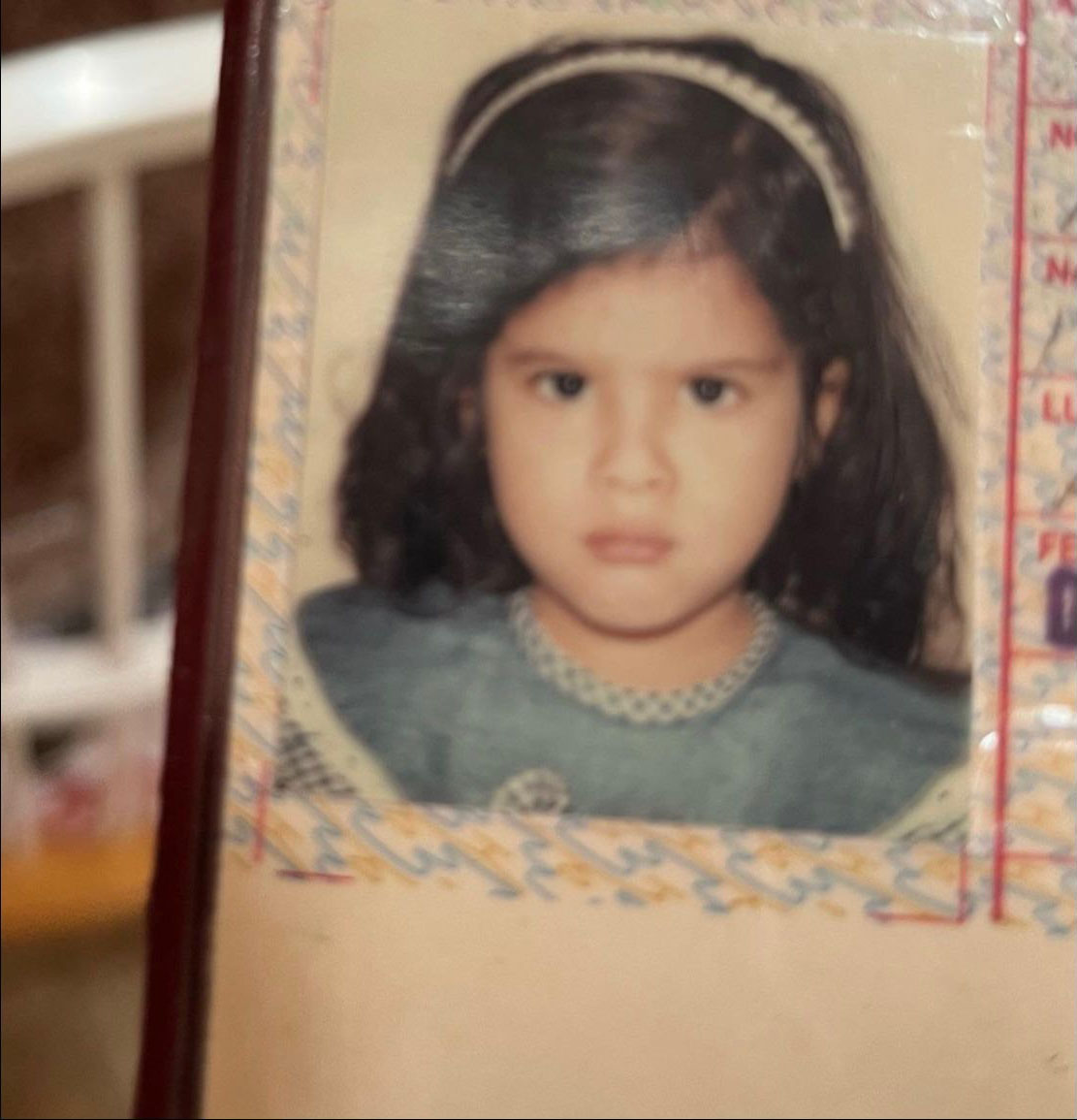
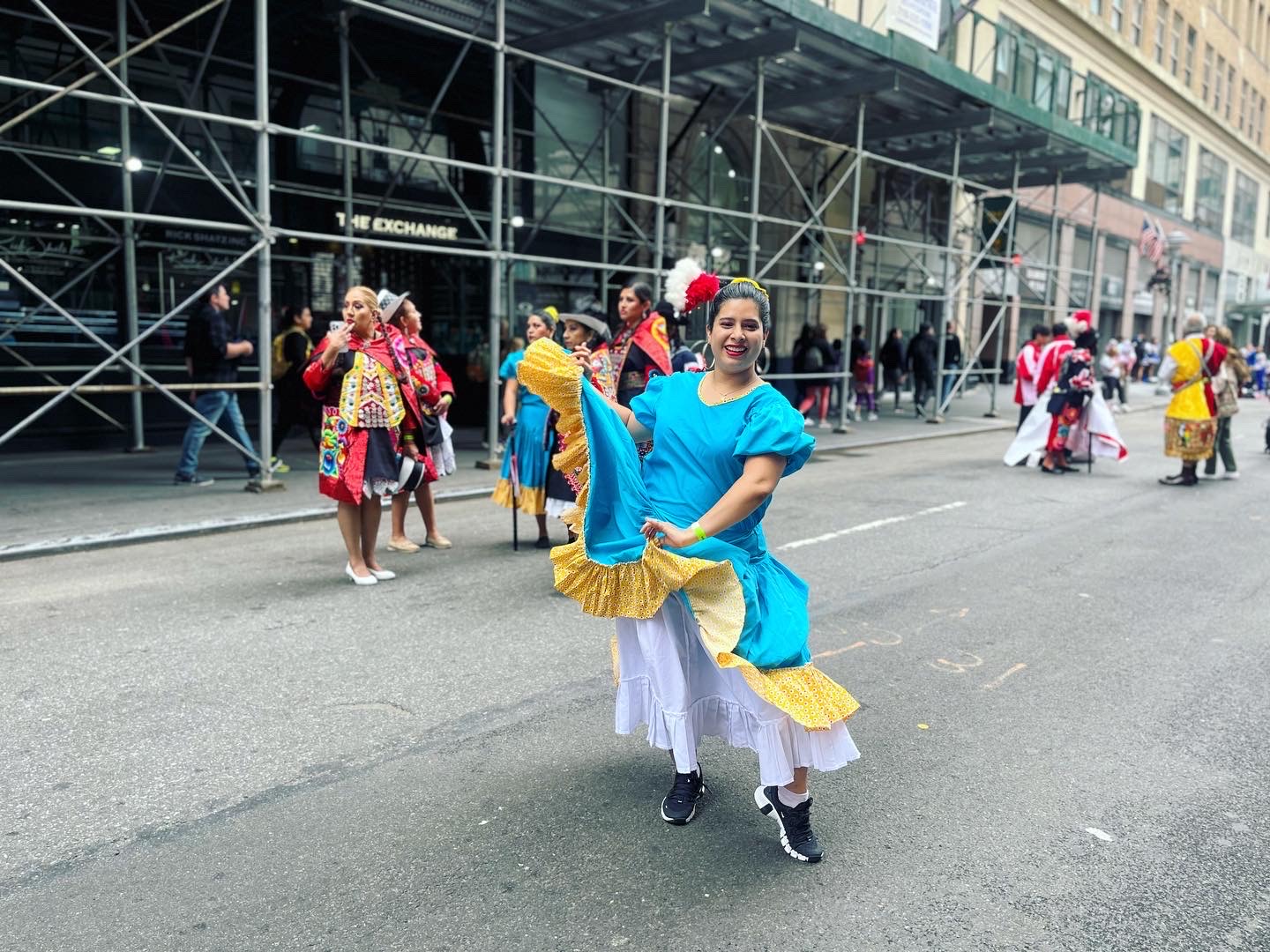
I’ve been on an intentional learning journey the last few years to strengthen my relationship with my culture through learning traditional bailes folkloricos and Quechua. For the last 3 years I’ve been taking Quechua to reconnect with the heritage language of my paternal Abuelito Braulio, who passed away last May. He was from Cusco, and like many migrants of his generation, came to live and work in Lima.
Learning Quechua has also reminded me that there is sadly still indigenous erasure in Peruvian culture. In fact many Peruvians are speaking Quechua words without realizing it because it has melded into everyday Spanish use. (See words like cancha, vincha, chullo, choclo etc). Through taking virtual classes with Watuchi, a nonprofit dedicated to the revitalization of indigenous languages, I’ve connected to many heritage speakers of Quechua from the Andean Diaspora, and found belonging together.

Learning to speak Quechua with other learners whose family members spoke Quechua feels very special. We often speak about why Quechua was not passed down, out of shame, and fear of discrimination, and why learning Quechua is a political act of re-educating ourselves about what is important to be passed down to future generations.
What’s your creative practice like?
My creative practice comes from moments when I am in transit actually. I write poetry while I am on the subway trains. There’s something about being in motion, while also sitting still that gives me time to process and write. Instead of writing on notes apps or instagram stories I now have one google doc, where I write my poems. From this google doc I made three zines, and I’m working on a new one about my experiences with birth control. I’m inspired a lot by the intersection of pop culture, history
What do you hope readers take away reading your zines?
I hope readers walk away knowing that the specificity of their experiences is art. I also hope that someone reading my zines is inspired to write their own. I also hope that readers can understand the complexities and intricacies that being part of the Peruvian diaspora can mean.
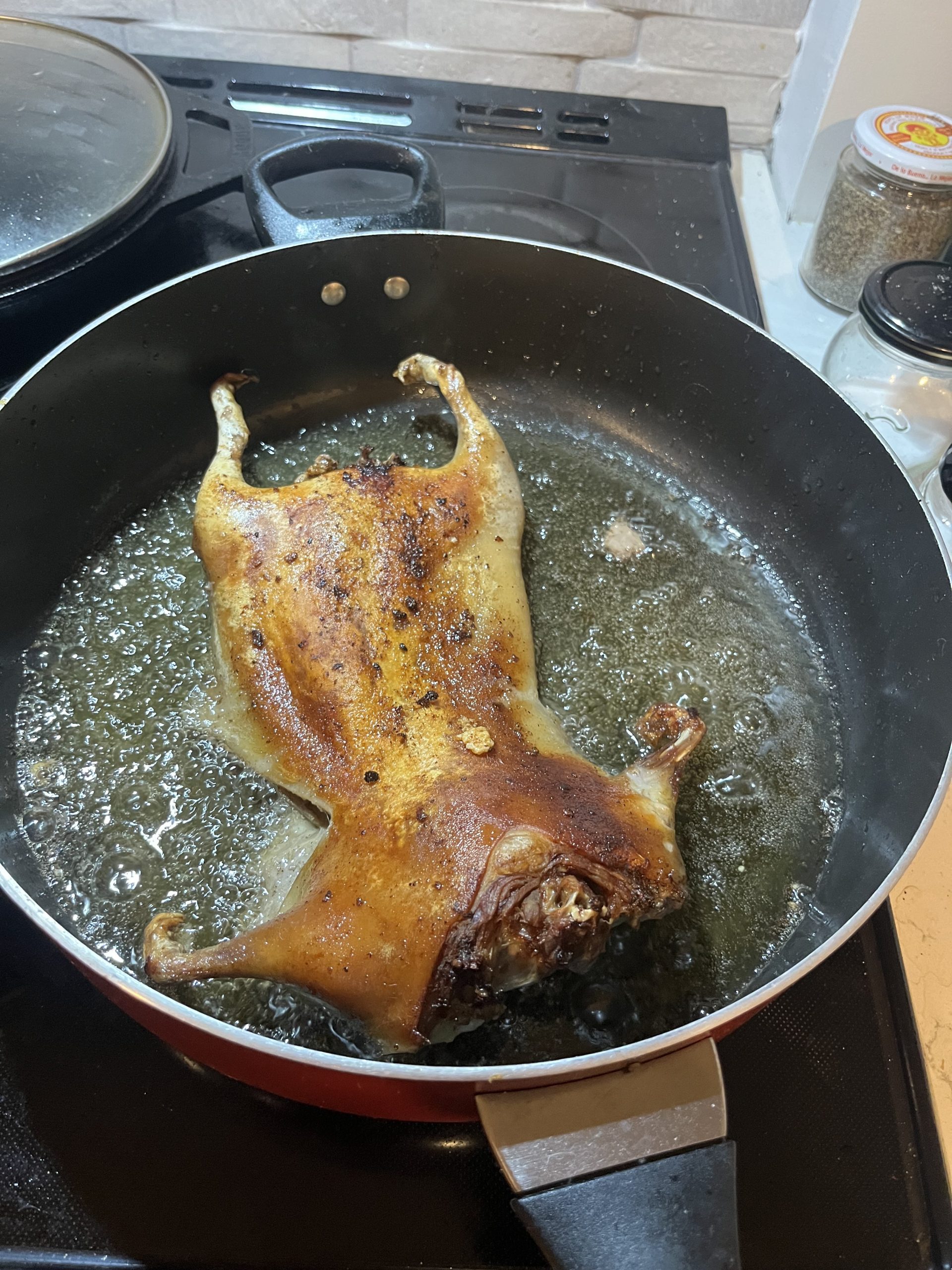
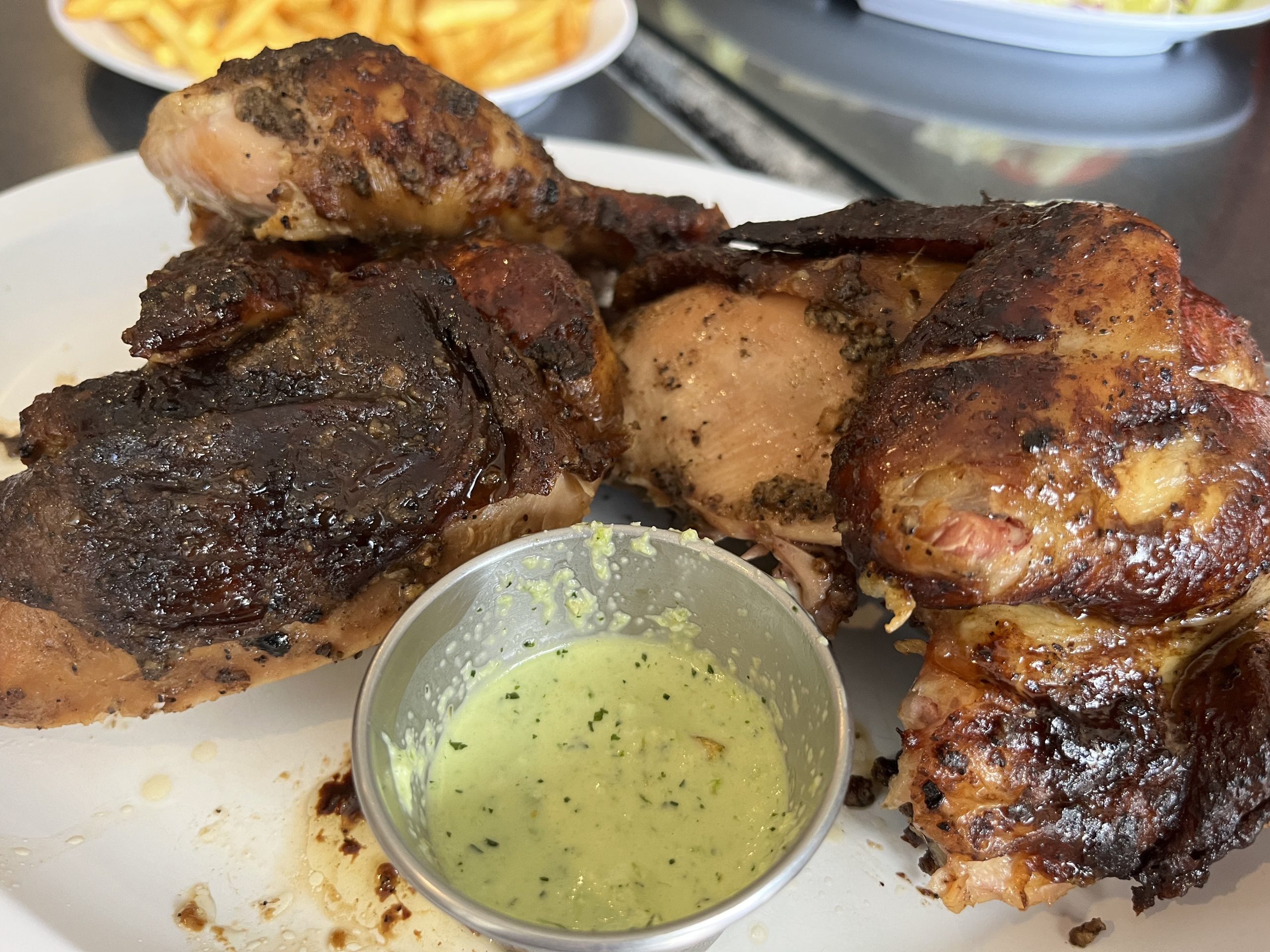
Everyone’s story is so unique, but I hope someone who for example has eaten cuy, prepared cuy as an adult, and also live with the juxtaposition of having seeing a cuy portrayed as a pet in the U.S., and perhaps owned one, can feel seen by my zine. Yes, that’s my experience lol.
Leave a Reply